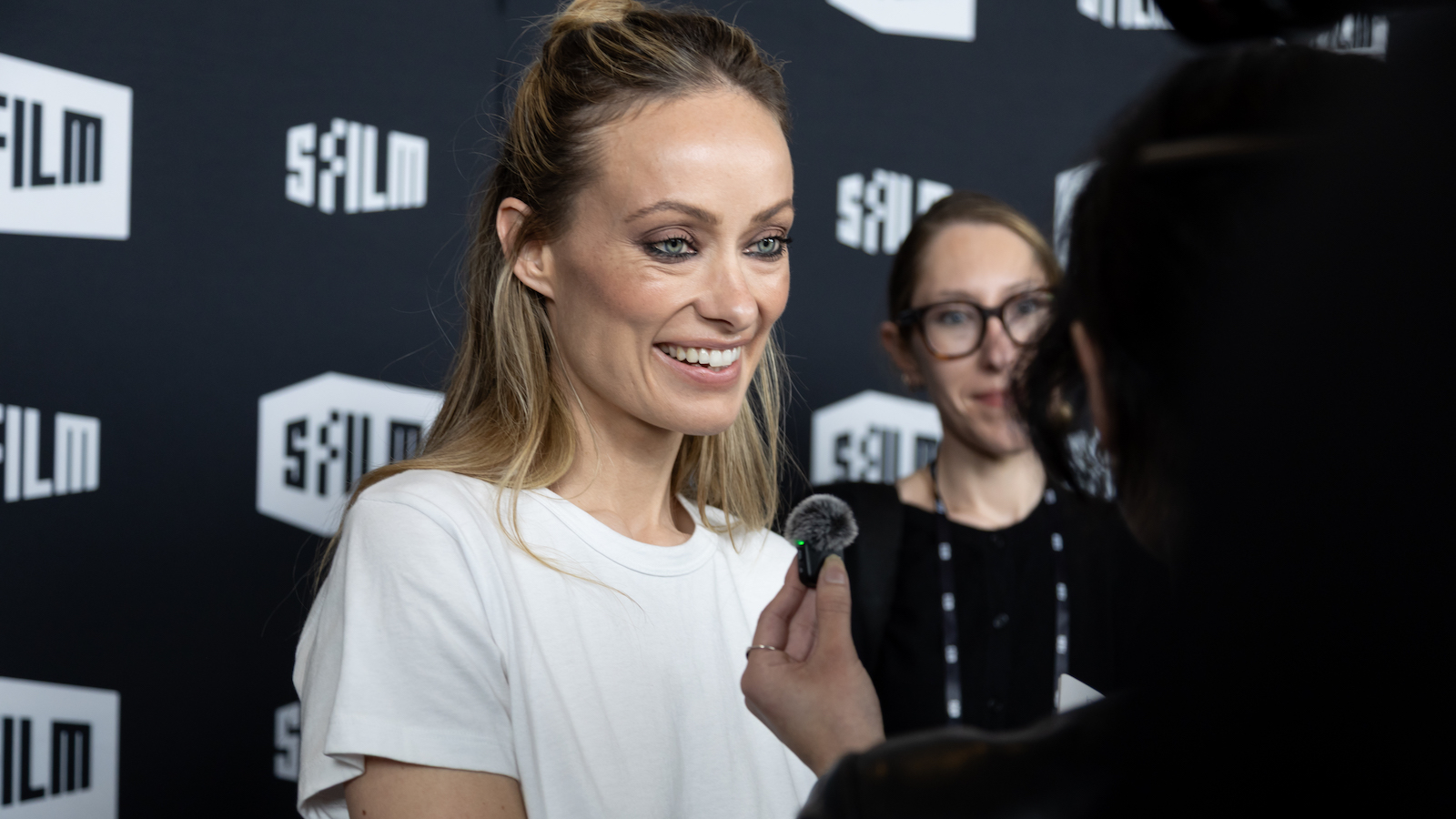
Olivia Wilde’s striking appearance at a recent red carpet event has ignited a wave of public concern and media speculation—this time, focused squarely on her visibly slimmer frame and whispers of Ozempic use. Fans and observers alike have expressed worry, noting how dramatically her physique has changed in recent months. While Wilde has not publicly addressed the rumors, the conversation has evolved beyond casual gossip into a broader discussion about celebrity body image, the normalization of prescription weight-loss drugs, and the dangers of public health speculation.
The Moment That Sparked the Conversation
It was at the premiere of a major summer film that Olivia Wilde stepped onto the red carpet wearing a form-fitting dress that accentuated her dramatically changed silhouette. Photographs circulated instantly: cheekbones more pronounced, collarbones sharply visible, arms appearing fragile. Social media platforms lit up.
Comments ranged from admiration to alarm. “She looks incredible,” one user wrote. “She looks unwell,” countered another.
The visual contrast with her previous public appearances was stark. In interviews just two years prior, Wilde had discussed her journey toward intuitive eating and body acceptance, promoting self-love and sustainable health. Now, that narrative seemed at odds with her appearance, prompting questions: What changed? Did she undergo a rigorous fitness transformation? Or is something more medically driven at play?
Ozempic and the Celebrity Weight-Loss Trend
Ozempic, a brand-name medication containing semaglutide, was originally approved to treat Type 2 diabetes. But in recent years, it has gained notoriety for its side effect: significant weight loss. Off-label use has surged, particularly in Hollywood, where pressure to maintain a certain image is relentless.
Though not FDA-approved for weight loss in non-diabetic individuals, Ozempic is often prescribed off-label or repurposed through compounding pharmacies. Its cousin, Wegovy, is approved for chronic weight management—but demand far outpaces supply, leading many to seek alternatives.
Olivia Wilde has not confirmed any use of Ozempic or similar GLP-1 receptor agonists. However, the timing and physical changes align with patterns seen in other celebrities who’ve later admitted to using such medications.
Dr. Lena Patel, an endocrinologist based in Los Angeles, notes: “When we see rapid, asymmetric weight loss—especially loss that appears to affect the face and upper body first—it can be consistent with GLP-1 drug use. But it’s dangerous to diagnose from photos. Many conditions, from hyperthyroidism to eating disorders, can present similarly.”
Why the Public Is Watching—and Worried
The concern for Wilde’s health reflects a deeper cultural unease. On one hand, there is growing fascination with Ozempic as a “miracle” drug. On the other, there’s discomfort when beloved figures appear frail or ill.

Wilde has long been an advocate for women’s health and mental well-being. In 2022, she launched a wellness initiative focused on holistic living and criticized the entertainment industry’s obsession with appearance. That history makes her current state feel paradoxical to fans.
Moreover, the internet has normalized diagnosing celebrities from low-resolution images. Dermatologists weigh in on skin texture. Nutritionists speculate on muscle loss. But these armchair assessments often ignore context: lighting, fashion choices, angles, and even temporary illness.
Still, the pattern is hard to dismiss. Multiple stars—across film, music, and television—have shown similar transformations in the past 18 months. The consistency suggests a trend, not coincidence.
The Line Between Privacy and Public Responsibility
Celebrities inhabit a unique space: their lives are public property, yet their health is deeply personal. When does concern become intrusion?
Wilde has previously spoken about the toll of media scrutiny. In a 2021 interview, she said, “Every time I gain or lose weight, it’s dissected. But I’m a human being, not a mannequin.”
Yet public figures also serve as role models. When someone like Wilde appears drastically thinner, especially after promoting body positivity, it sends mixed messages. Young fans may interpret the change as a signal that extreme thinness is once again the ideal—regardless of how it was achieved.
Health professionals warn that glamorizing rapid weight loss, whether through drugs or extreme diets, can trigger disordered behaviors. “We’re seeing more patients asking for Ozempic not because they’re diabetic or obese, but because they want to look like celebrities,” says Dr. Amira Chen, a psychiatrist specializing in eating disorders. “That’s a public health risk.”
Ozempic: What It Does—and What It Doesn’t Fix
Understanding the drug is key to contextualizing the speculation.
Ozempic works by mimicking a hormone called GLP-1, which regulates insulin and slows gastric emptying. This leads to reduced appetite and lower caloric intake. Users often report feeling full after small meals—a mechanism that can lead to dramatic weight loss over time.
But it’s not without risks. Common side effects include nausea, vomiting, diarrhea, and abdominal pain. More serious complications—like pancreatitis, gallbladder disease, and potential thyroid tumors in animal studies—have been noted.
And while the drug can help manage weight, it doesn’t address root causes like emotional eating, metabolic dysfunction, or societal pressure. “Ozempic isn’t a lifestyle fix,” says Dr. Patel. “It’s a tool. Used properly, it can be transformative. But when used purely for aesthetics, we have to ask: at what cost?”
For someone like Wilde, who balances motherhood, filmmaking, and acting, the appeal of a quick solution is understandable. But sustainability matters. Many patients regain weight after stopping the medication, especially without behavioral support.
The Role of Media and Fans in Shaping the Narrative
Media outlets have played a significant role in amplifying the speculation. Headlines like “Is Olivia Wilde Using Ozempic?” or “Olivia’s Shocking Transformation” dominate search results. While these draw clicks, they also perpetuate a culture of body surveillance.
Even well-intentioned concern can be harmful. Comment sections under Wilde’s recent photos are flooded with variations of “I hope she’s okay” and “She looks too thin.” While rooted in care, such messages reinforce the idea that a woman’s value is tied to her physical state.
A better approach? Focus on her work. Wilde recently directed a critically acclaimed film and continues to advocate for reproductive rights and mental health awareness. These achievements matter more than the size of her waist.
Still, ignoring visible changes isn’t the answer. The key is balance: expressing concern without overstepping, discussing health without shaming, and recognizing that public figures are not immune to personal struggles.
What Should Be Done Differently?
The Olivia Wilde situation underscores a need for cultural shift—both in how we consume celebrity news and how we discuss health:
- Avoid diagnosis by photo: A single image reveals nothing about medical history, mental state, or personal choices.
- Challenge sensational headlines: Share content that respects privacy and promotes empathy.
- Support holistic health narratives: Celebrate wellness that includes mental, emotional, and physical dimensions—not just weight.
- Educate on medication use: Understand that drugs like Ozempic aren’t magic. They come with risks, regulations, and ethical questions.
- Advocate for media literacy: Teach audiences to question why certain bodies are labeled “too thin” or “too heavy” and who benefits from those labels.
For fans, the best action is simple: respect boundaries. Send supportive messages about her work, not her appearance. And if concerned, direct that energy toward supporting organizations that promote body positivity and mental health.
Final Thoughts: Health Isn’t a Spectator Sport
The speculation around Olivia Wilde’s health—and the Ozempic rumors—reflects a society obsessed with control, image, and quick fixes. But real health is nuanced, deeply personal, and rarely visible from the outside.
Whether Wilde has used Ozempic or undergone a different transformation is her private matter. What’s public is the impact: another moment in which a woman’s body becomes a topic of debate, while her talents and contributions risk being overshadowed.
Instead of dissecting her silhouette, we might ask better questions: Why do we expect celebrities to look a certain way? Why is thinness still equated with success? And how can we create a culture where health isn’t policed, but supported?
Until then, the red carpet will remain a battleground—not just for fashion, but for dignity.
Frequently Asked Questions
Did Olivia Wilde confirm using Ozempic? No, Olivia Wilde has not confirmed any use of Ozempic or similar medications.
Can Ozempic cause someone to look emaciated? When combined with extreme caloric restriction or underlying health issues, GLP-1 drugs can lead to excessive weight loss, potentially resulting in a gaunt appearance.
Is it safe to use Ozempic for weight loss without a prescription? No. Using Ozempic without medical supervision can lead to serious side effects and is not recommended.
What are the dangers of speculating about a celebrity’s health? It can spread misinformation, contribute to body shaming, and exacerbate mental health struggles for both the individual and public observers.
Are other celebrities rumored to have used Ozempic? Yes, several high-profile figures—including actors and musicians—have been subject to similar speculation in recent years.
How can fans support celebrities facing health rumors? By focusing on their work, respecting privacy, and promoting compassionate, body-neutral discourse.
What should I do if I’m considering Ozempic for weight loss? Consult a licensed healthcare provider to discuss your medical history, goals, and whether the drug is appropriate and safe for you.
FAQ
What should you look for in Olivia Wilde Health Concerns Spark Ozempic Speculation? Focus on relevance, practical value, and how well the solution matches real user intent.
Is Olivia Wilde Health Concerns Spark Ozempic Speculation suitable for beginners? That depends on the workflow, but a clear step-by-step approach usually makes it easier to start.
How do you compare options around Olivia Wilde Health Concerns Spark Ozempic Speculation? Compare features, trust signals, limitations, pricing, and ease of implementation.
What mistakes should you avoid? Avoid generic choices, weak validation, and decisions based only on marketing claims.
What is the next best step? Shortlist the most relevant options, validate them quickly, and refine from real-world results.