
Few franchises stir as much debate as Mass Effect. Across its trilogy and Andromeda, BioWare has built a universe where player choices carry emotional weight—sometimes too much. Now, with rumors swirling about the return of one of the series’ most divisive characters, a leading voice actor has stepped forward to address the backlash, the legacy, and whether redemption is even possible.
The character in question—let’s be honest—sparked outrage the moment they were introduced. Loved by some for their complexity, reviled by others for their tone-deaf portrayal, they became a lightning rod in the Mass Effect fandom. Years later, as whispers grow of their potential return in upcoming content or a rumored Mass Effect 4, the actor behind them is speaking up.
Their comments cut through the noise with surprising candor.
Why This Character Still Divides Fans
It’s not just about how the character was written—it’s about timing, tone, and the weight of representation in sci-fi. The backlash wasn’t sudden. It built over time, fueled by moments that felt off-key in a universe striving for depth.
Take one infamous scene: a supposedly romantic exchange that landed with all the grace of a Citadel transit collision. Fans called it forced, regressive, even damaging. Online forums lit up. Memes followed. The character became shorthand for “BioWare’s writing misfire.”
But here’s what often gets lost: the actor didn’t write the lines. They were handed a script and asked to bring a multi-dimensional being to life. That disconnect—between performance and final product—is rarely acknowledged.
“I knew we were walking a tightrope,” the actor recently told Nexus Gamers. “This character was supposed to challenge player comfort. But somewhere between the writers’ room and the recording booth, the nuance got flattened.”
That admission matters. It confirms what many suspected: the intent wasn’t to offend, but the impact still hurt.
The Actor’s Defense: Performance vs. Writing
In a rare deep-dive interview, the actor laid out their experience with the role—not to dismiss criticism, but to clarify it.
They described early concept meetings where the character’s arc was framed as a deconstruction of charm, a figure whose allure masked deeper flaws. “We talked about toxic charisma,” they said. “About how someone can sound sincere while manipulating everyone around them.”
That’s not how it played for most players.
Instead, the character often came across as smug, shallow, or worse—sexist. Jokes that were meant to be ironic were read as endorsement. Flirtation felt predatory. The performance, layered with theatrical flair, clashed with the tone of the rest of the squad.
The actor acknowledges the gap: > “I leaned into the theatricality because that’s what the dailies called for. But when you’re not seeing the full context—cutscenes, player choices, branching dialogue—it’s easy to misread the intention.”
This isn’t excuse-making. It’s an insight into how voice acting works in games: isolated, iterative, and often blind to final context.
Fan Backlash and the Weight of Legacy
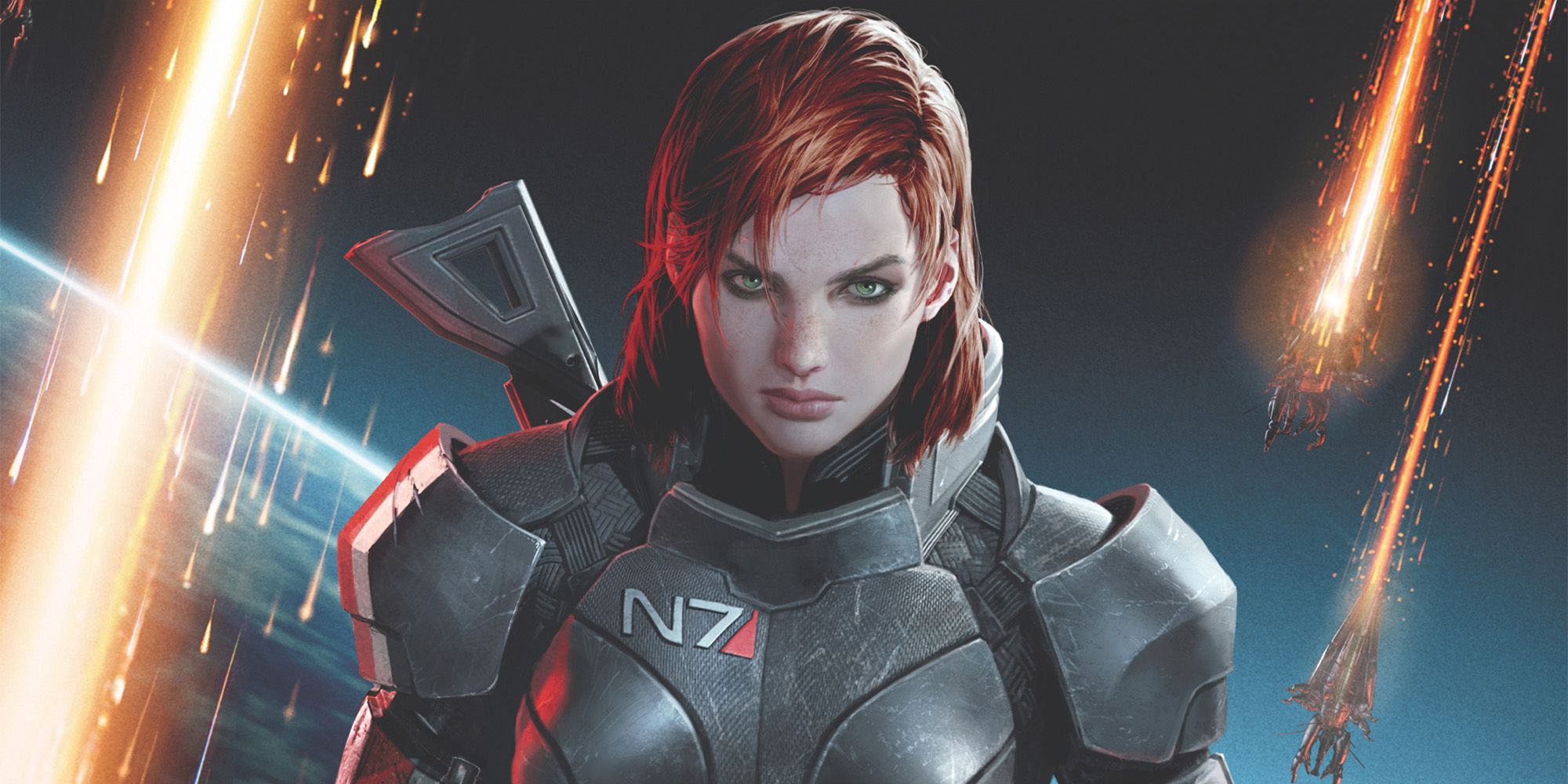
Few voice actors in gaming face the kind of sustained criticism that comes with playing a polarizing character. Some roles earn praise, others obscurity. This one earned memes, Reddit threads titled “Why [Character] Should Be Deleted,” and even modded removals from fan playthroughs.
The actor admits it took years to process the reaction.
“At first, I took it personally. I’d poured so much into the role—research, improvisation, emotional prep. Then you see people calling for your character to be ‘written out of canon,’ and it stings.”
But over time, they began to see the backlash as part of a larger shift in gaming culture.
“People care more now. They expect better representation, smarter writing, accountability. That’s not a bad thing. If anything, it pushes studios to do better.”
And yet, there’s a quiet hope in their words: that the character might get a second chance.
Could Redemption Be Possible? With BioWare reportedly in early development on a new Mass Effect entry, speculation is running high. Could the controversial character return—not as a joke, not as a caricature, but as someone meaningfully evolved?
The actor is optimistic, but cautious.
“I’d only come back if the writing had grown. If there was actual accountability. No hand-waving past the harm they caused. No cheap redemption arcs.”
They propose a path forward: a narrative in which the character confronts their past behavior, faces consequences, and—crucially—isn’t automatically forgiven.
“That’s the story worth telling,” they say. “Not ‘Look how charming they still are,’ but ‘Look how much damage they did, and whether change is even possible.’”
It’s a tall order for a franchise that’s struggled with long-term consequences. Mass Effect 3’s ending controversy proved how sensitive fans are to unresolved arcs. Bringing back a maligned character without earning it would be a risk.
But done right? It could be groundbreaking.
Lessons for BioWare and Future Writing
The saga of this character—and the actor’s reflections—offers hard lessons for narrative design in RPGs.
1. Context Is Everything A line that reads as ironic on paper can feel toxic in performance—especially without visual cues or player context. Writers must consider how voice delivery interacts with player agency.
2. Performers Aren’t Just Mouths Actors bring interpretation, intent, and emotional labor to roles. When criticism targets only the performance, it overlooks systemic issues in development pipelines.
3. Redemption Requires Work Players are tired of shallow arcs where problematic characters are rebranded as “misunderstood.” Real growth means consequences, resistance, and no guaranteed forgiveness.
4. Listen to the Backlash Not every complaint is valid, but widespread criticism should trigger internal review. The Mass Effect team has shown they can course-correct—see the Leviathan DLC’s deeper lore fixes—but only when they listen.
What a Return Would Need to Succeed
If the character comes back, here’s what fans—and the actor—would need to see:

- Acknowledgment of Past Harm: No dodging the controversy. The narrative must address why the character alienated so many.
- No Forced Integration: They shouldn’t be shoved into the squad or romance paths. Let players choose whether to engage.
- Consequences Over Charm: Their skills or knowledge shouldn’t excuse past behavior. Influence should be earned, not assumed.
- Player-Driven Resolution: Offer branching outcomes based on how Shepard—or a new protagonist—responds. No one-size-fits-all redemption.
- Updated Writing Sensibilities: Dialogue must reflect modern standards. No lazy stereotypes, no “it’s just their personality” excuses.
The actor agrees: > “If they bring them back just to repeat the same beats, it’ll fail. But if they treat it like a reckoning? That could be powerful.”
The Bigger Picture: Franchise Evolution
Mass Effect isn’t just a game series—it’s a cultural artifact of 2010s RPG design. Its strengths (player choice, world-building) and flaws (uneven writing, representation gaps) reflect the era it emerged from.
Now, as gaming audiences demand more nuance, more accountability, the franchise has a choice: retreat from controversy or confront it.
Bringing back a divisive character isn’t inherently reckless. In fact, it could be brave—if handled with care.
The actor’s comments suggest a willingness to grow with the material. Whether BioWare shares that vision remains to be seen.
But one thing is clear: fans aren’t just asking for nostalgia. They’re asking for evolution.
Final Thoughts: Can the Character Be Saved?
The return of a controversial Mass Effect character isn’t just about plot convenience or fan service. It’s a test of narrative integrity.
The actor behind them has shown humility, awareness, and a desire to do better. They’re not dismissing criticism—they’re engaging with it.
That alone should shift the conversation.
Is redemption possible? Maybe. Not for the character alone, but for the story around them. For the franchise. For how games handle missteps.
If Mass Effect 4 or a future installment brings this figure back, the bar is high. Not because fans are harsh—but because they care.
And in a franchise built on choices and consequences, that’s exactly how it should be.
FAQ
Why is this Mass Effect character so controversial? The character faced backlash for tone-deaf dialogue, problematic romantic interactions, and perceived reinforcement of harmful stereotypes, despite intended complexity.
Did the actor agree with the fan criticism? They acknowledged the gap between intention and impact, expressing understanding of why players were upset.
Has BioWare confirmed the character’s return? No official confirmation has been made, but rumors and teases suggest possible inclusion in future projects.
What would make the character’s return acceptable to fans? Accountability, narrative consequences, player-driven outcomes, and updated writing that avoids past mistakes.
Can a disliked character be redeemed in a game series? Yes, but only if the redemption is earned, not assumed, and reflects genuine character growth.
How does voice acting differ from on-screen acting in games? Voice actors often record lines in isolation, without full context of scenes, which can affect performance interpretation.
What lessons should BioWare learn from this controversy? Better integration between writing, performance, and player context—and a commitment to evolving storytelling standards.
FAQ
What should you look for in Mass Effect Actor Reacts to Controversial Character’s Return? Focus on relevance, practical value, and how well the solution matches real user intent.
Is Mass Effect Actor Reacts to Controversial Character’s Return suitable for beginners? That depends on the workflow, but a clear step-by-step approach usually makes it easier to start.
How do you compare options around Mass Effect Actor Reacts to Controversial Character’s Return? Compare features, trust signals, limitations, pricing, and ease of implementation.
What mistakes should you avoid? Avoid generic choices, weak validation, and decisions based only on marketing claims.
What is the next best step? Shortlist the most relevant options, validate them quickly, and refine from real-world results.