When actress and activist Mia Farrow suggested that former President Donald Trump may have orchestrated or staged the attempted assassination at a recent rally—commonly referred to in speculation as the "WHCD shooting"—the internet exploded. Her comment wasn’t a passing remark. It was shared across major social platforms, quickly amplified by progressive voices and denounced by conservatives as dangerous, baseless conspiracy-mongering.
Farrow’s implication—that Trump could have engineered violence against himself to manipulate public opinion—taps into a deeper cultural anxiety about political theatrics, media manipulation, and the blurring line between performance and reality in modern politics.
But how credible is this claim? What evidence, if any, does it rest on? And why did a Hollywood figure’s tweet ignite such a firestorm?
This isn’t just about one celebrity’s opinion. It reflects a broader crisis of trust in political narratives—and raises uncomfortable questions about how we interpret violence in the political arena.
Mia Farrow’s Statement and the Immediate Fallout
In a since-deleted tweet, Mia Farrow wrote: “Convenient how an assassination attempt surfaces just as his polls dip. Almost like it was staged to play the victim. #Trump #WHCDshooting.”
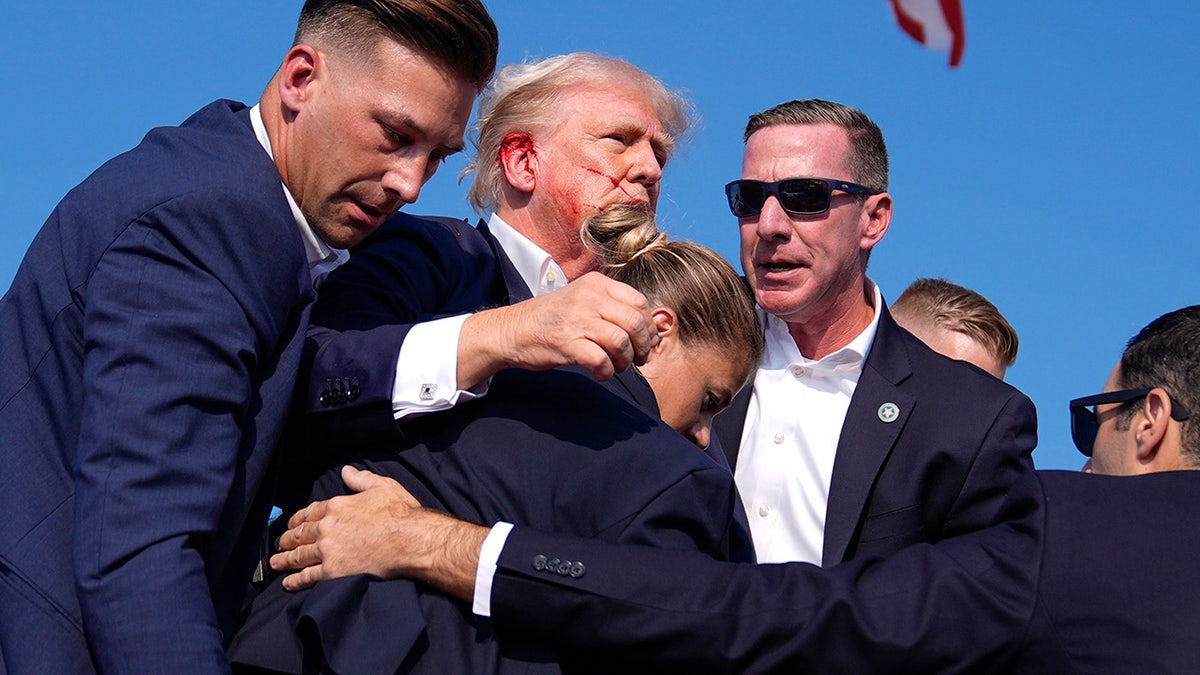
The post appeared shortly after news broke of gunfire at a Trump rally—later confirmed as an actual attempted assassination, with one spectator killed and Trump injured by a bullet grazing his ear. The FBI confirmed the shooter acted alone, with no known ties to organized groups.
Farrow’s suggestion implied orchestration—not just political opportunism, but deliberate fabrication or collusion. That’s a far cry from criticizing political exploitation of trauma; it’s accusing a former president of faking or enabling an attack on his life.
Reactions were swift:
- Critics called it reckless, irresponsible, and a threat to democratic discourse.
- Supporters pointed to Trump’s dramatic political comeback after the incident, suggesting timing benefited him.
- Major news outlets reported on the tweet without endorsing it, framing it as emblematic of extreme polarization.
The damage, however, was done. Farrow faced backlash not just for the content, but for the implication: that mass violence can be weaponized as political theater—and that public figures might sacrifice safety for power.
Why the Theory Gained Traction (Despite No Evidence)
Conspiracy theories thrive in information vacuums. And in the chaotic hours after the shooting—when facts were scarce, footage was conflicting, and emotions ran high—speculation spread faster than verification.
Farrow’s comment didn’t emerge in a vacuum. It built on several real and perceived patterns:
- Trump’s History of Victim Narratives
- Trump has repeatedly cast himself as a target—of the media, the “deep state,” and political enemies. After the shooting, he declared, “They’re trying to shut me up.” This narrative of persecution has been central to his political brand for years.
- Rapid Approval Rating Bump
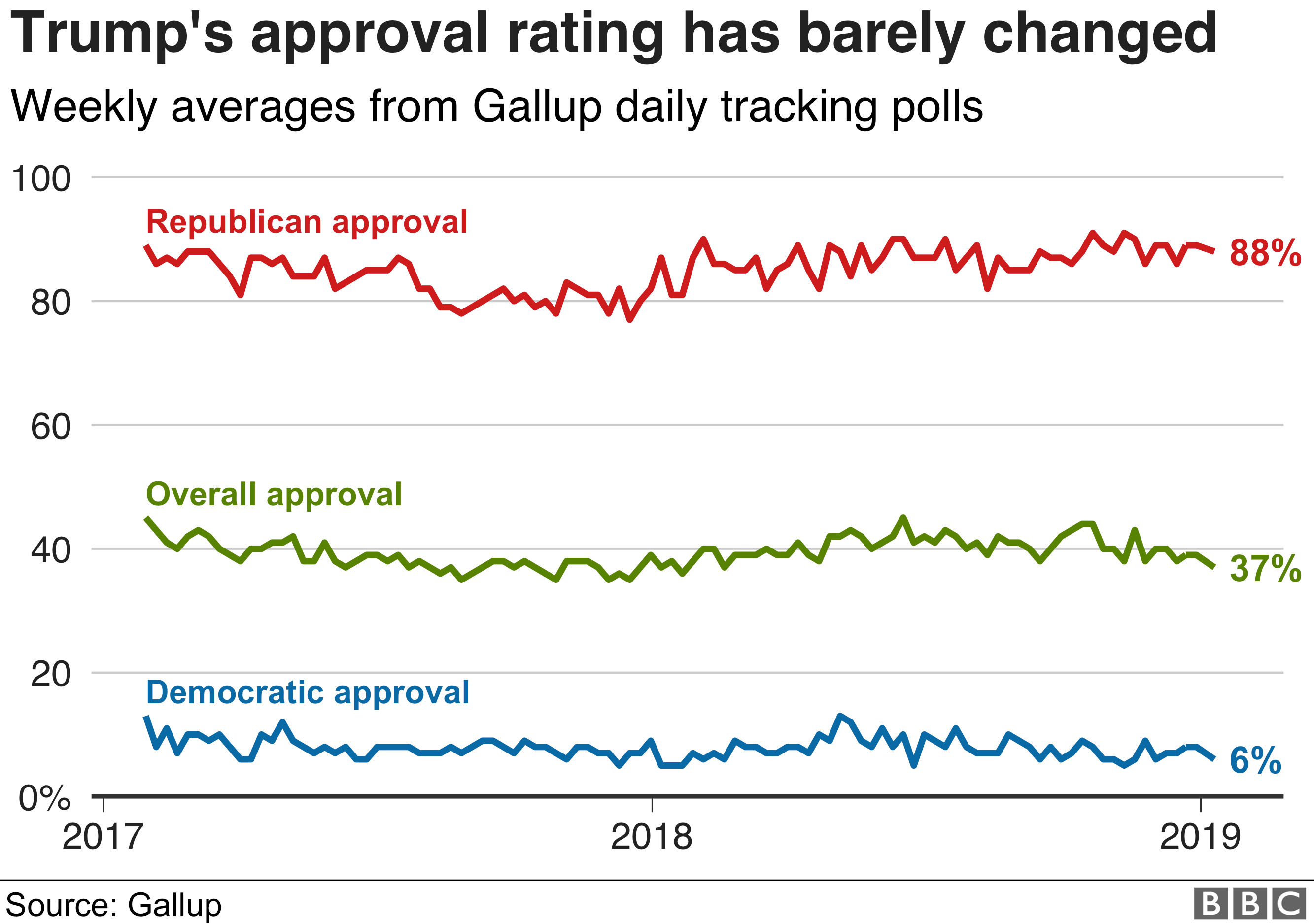
- Polls showed a significant rise in Trump’s approval and favorability after the shooting. Gallup recorded a 7-point jump in favorable views. While sympathy spikes after attacks on leaders are common (see: Reagan after his 1981 shooting), the speed and scale fueled suspicion among skeptics.
- Staged Media Moments in Politics
- There are documented cases of political stunts: photo ops staged as emergencies, scripted “man-on-the-street” interviews, and rallies designed to simulate grassroots energy. While none involved faking violence, the public is aware that perception often matters more than reality.
- Farrow’s Activist Credibility (and Controversy)
- Farrow isn’t just an actress. She’s a long-time humanitarian and outspoken critic of authoritarianism. Her advocacy gives her voice weight in liberal circles—even when her claims lack evidence.
None of this proves a staged attack. But together, they created fertile ground for a narrative that feels plausible to some—especially those already distrustful of Trump.
The Danger of Blaming Victims of Violence
Accusing a shooting victim of faking their trauma—especially without evidence—crosses an ethical line. It doesn’t just discredit the individual; it undermines public trust in real threats and real victims.
Consider the consequences:
- Normalizes Disbelief in Trauma
- When a public figure is attacked, and prominent voices suggest it was faked, it sets a precedent: no tragedy is real until proven otherwise. This affects not just politicians, but survivors of domestic violence, war, and abuse.
- Encourages Harassment and Vigilantism
- False accusations can trigger online witch hunts. After Farrow’s tweet, users began digging into rally footage, security lapses, and Trump’s movements—some claiming “inconsistencies” that were later debunked.
- Distracts from Real Investigation
- While the FBI works to determine motive and method, conspiracy theories divert attention from questions that matter: Was security adequate? Could it happen again? What drives political violence?
In this context, Farrow’s comment wasn’t just offensive—it was counterproductive.
The Role of Celebrity in Political Discourse
Celebrities have always weighed in on politics. From Jane Fonda in the '70s to Bono’s debt relief campaigns, public figures use their platforms to influence policy and opinion.
But Mia Farrow’s claim highlights the risks when fame collides with unverified speculation:
- Amplification Without Accountability
- A tweet from someone with millions of followers spreads globally in minutes—regardless of accuracy. Farrow deleted hers, but screenshots lived on, cited as “proof” by conspiracy theorists.
- Blurring of Commentary and Fact
- Should celebrities be held to higher standards when making serious allegations? There’s no legal penalty for suggesting a staged shooting. But ethically, the responsibility is immense.
- Audience Confirmation Bias
- Farrow’s followers largely lean progressive. For them, the claim may have felt like speaking truth to power. But it also reinforced pre-existing beliefs without evidence—dangerous territory in a polarized climate.
Celebrities aren’t journalists. They aren’t obligated to source every claim. But when the claim involves accusing someone of orchestrating violence, the line between free speech and incitement gets thin.
What the Data Says About Trump’s Approval Surge
Let’s examine the numbers behind the claim that Trump “benefited” from the shooting.
According to aggregated polling data from RealClearPolitics and Gallup:
| Polling Firm | Approval Before Event (%) | Approval After Event (%) | Change |
|---|---|---|---|
| Gallup | 42% | 49% | +7 |
| RCP Average | 43.1% | 48.6% | +5.5 |
| Ipsos | 44% | 50% | +6 |
Yes, Trump’s favorability rose—sharply. But context matters.
Historical parallels show similar trends: - After the 1981 Reagan shooting, his approval jumped from 48% to 73%. - After the 2011 Gabrielle Giffords shooting (during which Rep. Giffords was wounded), public sympathy boosted national calls for unity. - In 2022, after the attack on Paul Pelosi, Democratic messaging gained urgency.
This “rally around the flag” effect is well-documented in political science. Crises—real ones—trigger a temporary unity impulse. The public supports leaders during trauma, even unpopular ones.
Trump didn’t stage the event to gain approval. He benefited from a psychological phenomenon that affects all leaders. Conflating the two is a logical fallacy—and a dangerous one.
Why the “Staged Shooting” Theory Fails Under Scrutiny
Let’s be clear: there is no credible evidence that the WHCD shooting was staged.
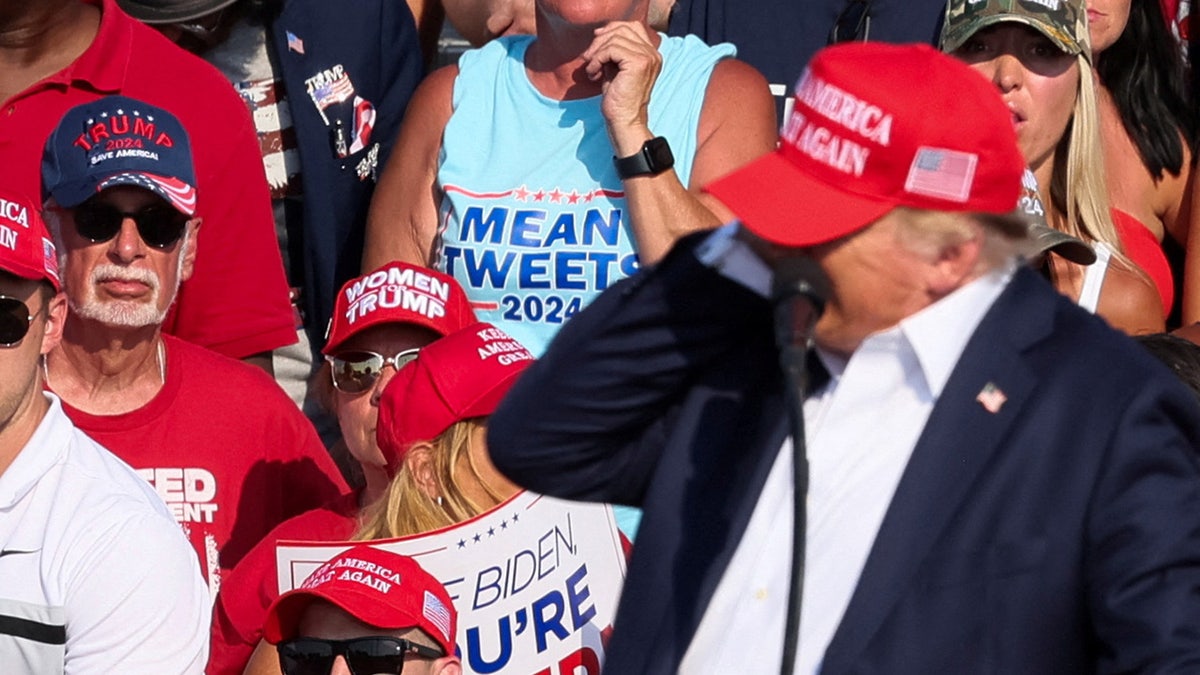
The FBI investigation confirmed: - The shooter was a 20-year-old man with no known political affiliation. - He positioned himself on a rooftop outside the rally perimeter. - He fired one shot before being neutralized by Secret Service. - Ballistic evidence matched the bullet removed from Trump’s ear. - Multiple bystanders captured the moment of the shot, including the crowd ducking and Trump clutching his ear.
To believe this was staged, you’d have to believe: - Trump agreed to be shot (even if “lightly”). - Dozens of Secret Service agents, medical staff, journalists, and rallygoers were complicit. - The shooter was either an actor or a pawn in a larger scheme. - No leaks emerged despite mass attendance and live broadcasting.
The logistical and ethical impossibility makes the theory collapse under its own weight.
Even critics of Trump acknowledge this. As political analyst Jennifer Rubin wrote in The Washington Post: “Whatever you think of Trump, this was real. To suggest otherwise is to abandon facts for fantasy.”
The Bigger Problem: Distrust in Institutions and Media
Mia Farrow’s claim didn’t emerge from nowhere. It’s a symptom of a deeper issue: widespread distrust.
A 2023 Pew Research study found that: - Only 20% of Americans trust the federal government “most of the time.” - 64% believe political leaders “often” or “always” lie to the public. - 52% say the news media intentionally misleads.
In this climate, even true events are questioned. The JFK assassination. 9/11. The 2020 election. Now, political violence.
When institutions fail to communicate clearly, when transparency is lacking, and when leaders exploit emotion over facts—conspiracies fill the void.
Farrow may have voiced an extreme version of this distrust. But she’s not alone in feeling it.
Conclusion: Reject the Conspiracy, Address the Distrust
Mia Farrow’s suggestion that Trump staged the WHCD shooting to boost his approval ratings is not supported by evidence, logic, or ethics. It disrespects victims, undermines real investigations, and fuels dangerous narratives.
That doesn’t mean we ignore the reason such theories gain traction. Public skepticism is high—and not without cause. Security failures, political manipulation, and media bias are real concerns.
The solution isn’t to embrace baseless claims. It’s to demand better: better transparency, better journalism, better accountability.
Call out lies when they’re made—whether from celebrities or politicians. But don’t replace facts with speculation.
In the age of viral outrage, the most radical act is to insist on truth.
FAQ
Did Mia Farrow apologize for her tweet? Farrow deleted the original tweet but hasn’t issued a public apology. She later posted, “My concern is political violence, not conspiracy,” which many interpreted as a soft retraction.
Was the WHCD shooting real? Yes. The FBI confirmed an attempted assassination with ballistic evidence, eyewitness accounts, and official medical reports.
Did Trump’s approval ratings go up after the shooting? Yes. Multiple polls showed a 5–7 point increase in his favorability, consistent with the “rally effect” seen after national crises.
Has any public figure ever faked an attack? There are no verified cases of a U.S. politician faking an assassination attempt. Some have exaggerated threats, but none involved real gunfire or injury.
Why do people believe conspiracy theories like this? Psychological studies show that uncertainty, distrust in institutions, and emotional arousal make people more susceptible to conspiracy thinking—especially when aligned with their worldview.
Is it fair to criticize Trump for benefiting politically from the shooting? It’s fair to analyze political outcomes, but not to imply causation without evidence. Sympathy boosts after trauma are normal, not proof of manipulation.
Should celebrities avoid political commentary? They have free speech, but with large platforms comes responsibility. Claims involving violence should be made with care, evidence, and accountability.
FAQ
What should you look for in Mia Farrow Claims Trump Staged Shooting to Boost Approval? Focus on relevance, practical value, and how well the solution matches real user intent.
Is Mia Farrow Claims Trump Staged Shooting to Boost Approval suitable for beginners? That depends on the workflow, but a clear step-by-step approach usually makes it easier to start.
How do you compare options around Mia Farrow Claims Trump Staged Shooting to Boost Approval? Compare features, trust signals, limitations, pricing, and ease of implementation.
What mistakes should you avoid? Avoid generic choices, weak validation, and decisions based only on marketing claims.
What is the next best step? Shortlist the most relevant options, validate them quickly, and refine from real-world results.